When most people think about "exercise," they picture a gym, a running trail, or a yoga mat. But your brain needs its own form of daily training, and for people living with neurological conditions like Parkinson's disease, stroke, or primary progressive aphasia, that training has a name: speech and language therapy.
The Brain-Body Connection in Speech
Speech is one of the most neurologically complex things a human being does. It requires the coordinated firing of hundreds of muscles, real-time language processing, breath support, and auditory feedback — all happening simultaneously in milliseconds. When neurological disease disrupts any part of this system, the effects ripple outward, affecting not just communication but also swallowing, confidence, and social participation.
Research consistently shows that the brain retains significant plasticity — the ability to reorganize and adapt — well into old age. This means that with the right therapeutic input, meaningful recovery is possible. But plasticity requires effort, repetition, and specificity. The brain changes in response to what it does repeatedly.
Why Consistency Is Everything
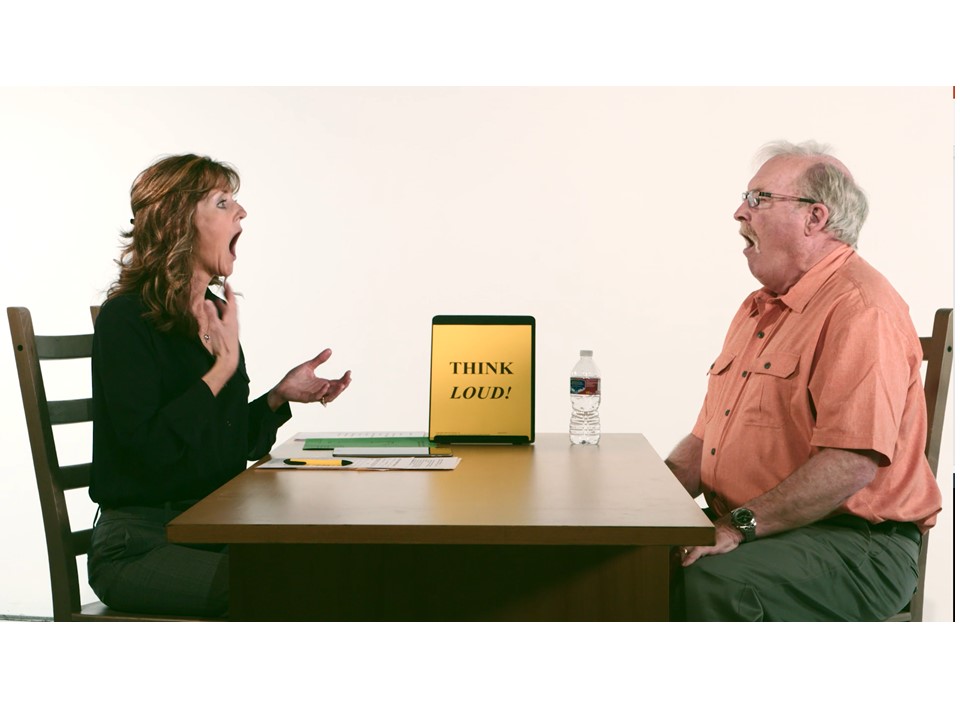
Think of speech therapy the way an athlete thinks about training. A single workout doesn't build muscle. A single therapy session doesn't rebuild neural pathways. What creates lasting change is consistent, targeted practice over time. This is the core principle behind evidence-based approaches like LSVT LOUD for Parkinson's patients, which uses high-effort, high-intensity exercises to re-engage the neurological circuits responsible for voice projection.
The same principle applies across all neurological speech conditions. Patients who commit to a home practice program — even 15–20 minutes per day — show measurably better outcomes than those who rely on clinic sessions alone. The brain responds to repetition. Every practice session is a vote for a stronger, clearer, more confident voice.
What "Brain Exercise" Actually Looks Like
- Volume drills: Reading aloud at a louder-than-comfortable volume to rebuild neural connections for projection
- Articulation practice: Targeted tongue and lip exercises that keep oral motor patterns sharp
- Breath support training: Coordinating breath with speech for sustained phonation
- Cognitive-linguistic exercises: Word-retrieval tasks, narrative practice, and reading comprehension to keep the language network active
- Swallow exercises: For patients at risk for aspiration, daily swallowing exercises reduce risk and maintain function
The Role of a Speech-Language Pathologist
A licensed speech-language pathologist (SLP) does more than run exercises in a clinic. A good SLP evaluates the full picture of a patient's neurological and communicative status, designs a personalized program, teaches the patient and their family how to practice effectively at home, adjusts the program as the patient progresses, and coordinates with neurologists, occupational therapists, and other care team members.
At Lasting Language Therapy in Sandy Springs, we specialize in exactly this kind of whole-person, evidence-based approach. Whether you or your loved one is managing Parkinson's disease, recovering from a stroke, or navigating a diagnosis of primary progressive aphasia, we are here to help you build the communication skills that matter most in your daily life.
Starting Today
You don't need a perfect plan to begin. You need a first step. Book a consultation with our team, and we will evaluate your current communication challenges, explain your options clearly, and help you understand what a realistic, achievable path forward looks like. The brain is ready to learn. The only question is whether we will give it the chance.
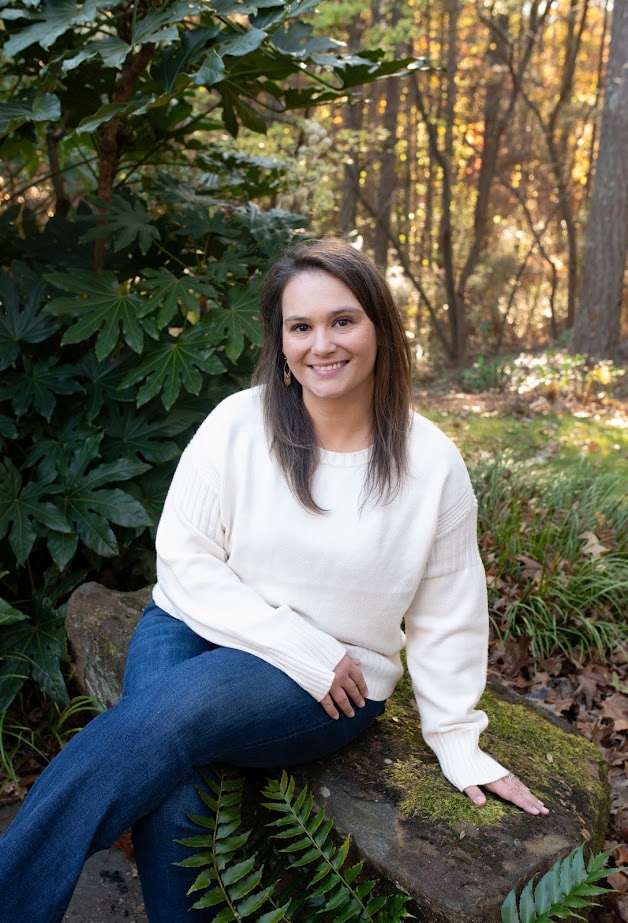
Amanda holds a Master's in Communication Sciences from the University of Georgia and is certified in LSVT LOUD and orofacial myofunctional therapy. She specializes in neurological and pediatric speech disorders with over 10 years of clinical experience.