Parents who bring their children to orthodontists often leave with a treatment plan focused on straightening teeth. But in many of those cases, the root cause of the misalignment was never addressed. The way your child's mouth functions — specifically how they breathe, swallow, and rest their tongue — may be shaping their face, their airway, and their speech development in ways that no bracket or aligner can fully correct.
What Is Orofacial Myofunctional Disorder?
Orofacial myofunctional disorders (OMDs) are patterns of muscle function in the face, mouth, and throat that deviate from what is typically healthy and efficient. The most common include mouth breathing instead of nose breathing, tongue thrust (where the tongue pushes forward against or between the teeth during swallowing), low resting tongue posture (tongue resting on the floor of the mouth instead of the palate), and open-mouth resting posture.
These patterns seem subtle. A child who breathes through their mouth doesn't look obviously different. But over months and years, these functional patterns shape the physical development of the jaw, palate, and airway.
The Developmental Consequences
The tongue is a powerful muscle. When it rests in the correct position against the roof of the mouth, it provides the internal scaffold that encourages the palate to expand laterally, creating space for adult teeth and a wider airway. When it rests on the floor of the mouth, that scaffolding is missing, and the palate tends to narrow, crowding teeth and potentially constricting the nasal airway.
The downstream effects can be significant:
- Dental crowding and malocclusion: Narrow palates and tongue thrust put pressure on teeth in ways that misalign them
- Chronic mouth breathing: Bypassing the nasal filtration system increases susceptibility to respiratory illness and disrupts sleep
- Sleep-disordered breathing: A restricted airway can contribute to snoring and pediatric obstructive sleep apnea
- Speech sound errors: Tongue thrust and low tongue posture affect articulation of sounds like /s/, /z/, /l/, /r/, and /th/
- Swallowing dysfunction: Atypical swallow patterns can cause gastrointestinal discomfort and feeding difficulties
What Myofunctional Therapy Does
Orofacial myofunctional therapy is a systematic program of exercises that retrain the muscles of the face, jaw, and tongue toward healthier, more efficient patterns. At Lasting Language Therapy, our myofunctional therapy program includes nasal breathing retraining, tongue posture correction, lip seal training, swallow pattern retraining, and coordination with the referring orthodontist or dentist to support structural treatment outcomes.
The therapy requires patient participation — exercises are simple, but they must be practiced daily. Parents play a key role in supporting their child's home program. With consistent effort, most children show meaningful functional changes within 3–6 months.
Who Should Be Evaluated
A myofunctional evaluation is appropriate for any child who has difficulty breathing through their nose consistently, who sleeps with their mouth open, who has been told they have a tongue thrust, whose orthodontist has noted recurring relapse after treatment, or who has persistent speech sound errors despite prior speech therapy. Earlier evaluation is generally better — the younger the child, the greater the potential for functional and structural change.
A Note for Parents
You are your child's best advocate. If something seems off about the way your child breathes, sleeps, eats, or speaks — trust that instinct. A myofunctional evaluation is a low-risk, high-information step that gives you clarity about whether intervention is warranted and what the path forward looks like. At Lasting Language Therapy, we make that process straightforward. Book a consultation and let's look at the full picture together.
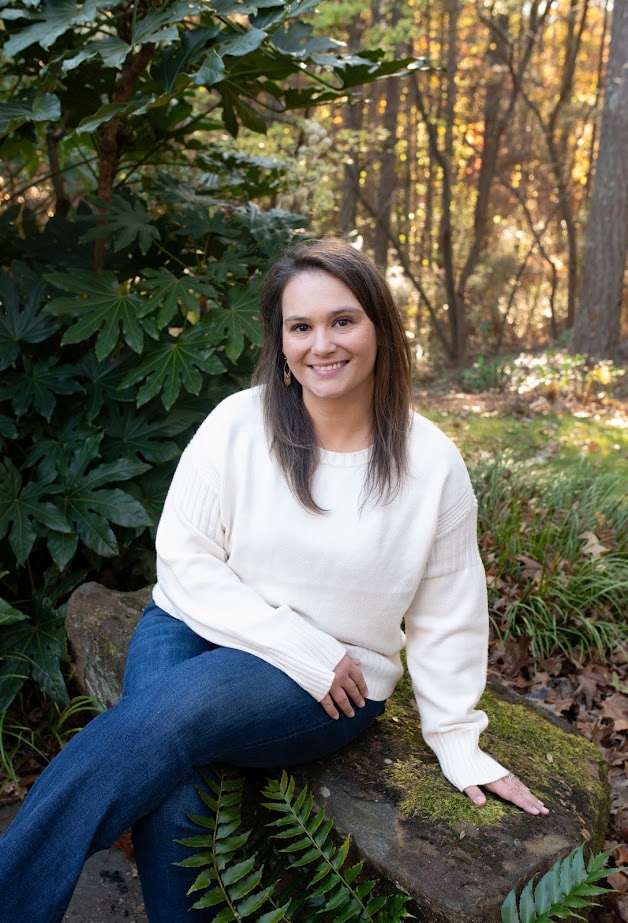
Amanda holds a Master's in Communication Sciences from the University of Georgia and is certified in LSVT LOUD and orofacial myofunctional therapy. She specializes in neurological and pediatric speech disorders with over 10 years of clinical experience.