A new year brings a natural opportunity to reflect. For the patients we work with at Lasting Language Therapy — and for anyone who values clear, confident communication — here are five goals worth setting in 2026. Some are clinical. Some are personal. All of them can make a meaningful difference in the way you connect with the people around you.
1. Practice Your Home Exercises Every Day
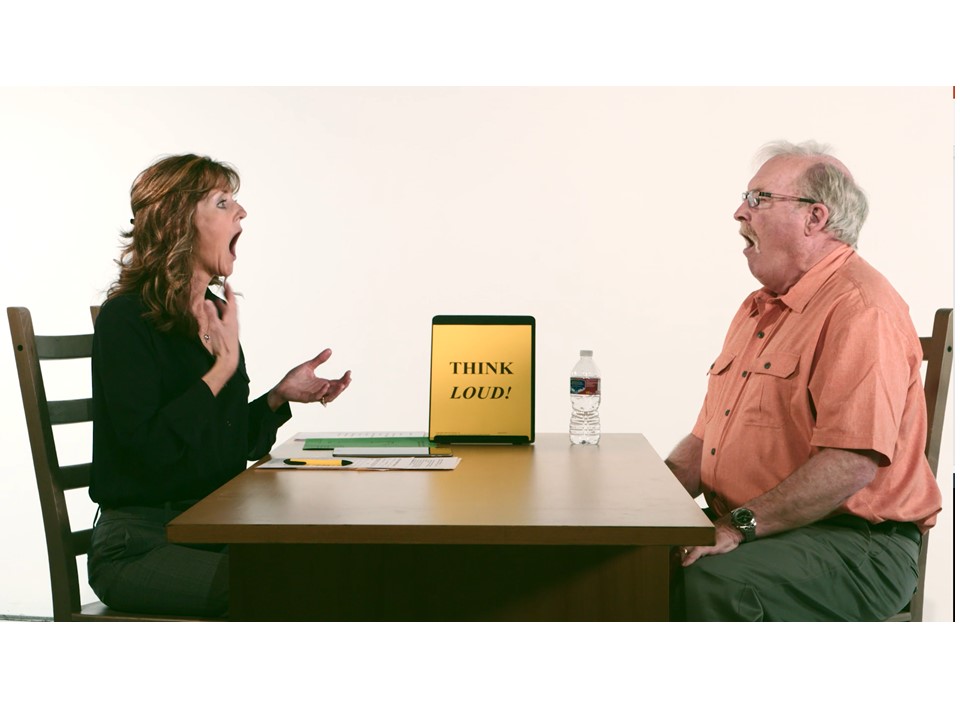
If you are currently in speech therapy, your home exercise program is the engine of your progress. Clinic sessions are important, but they are only one to two hours per week. Your home practice is the other 166 hours. Research is clear: patients who commit to consistent daily practice progress measurably faster and maintain their gains more durably than those who do not. Even 15 minutes per day compounds significantly over a year. Set a daily alarm. Make it non-negotiable.
2. Have One Honest Conversation About Communication
Many people with speech and language challenges spend enormous energy hiding or compensating. They avoid phone calls. They let others order for them at restaurants. They decline invitations. This year, consider having one honest conversation — with a close friend, a family member, or a colleague — about what communication is like for you. Disclosure reduces the social anxiety that compounds communicative difficulty, and the people in your life almost always respond better than you expect.
3. Get Evaluated If You Have Been Postponing It
We see this regularly: people who notice changes in their voice, their child's speech, or a loved one's language abilities — but who wait months or years before seeking evaluation. The reasons are understandable: cost concerns, fear of a diagnosis, uncertainty about where to go. But early evaluation almost always leads to better outcomes. The window for the most impactful neuroplastic intervention is widest early. A 60-minute evaluation can give you a clear picture of what is happening and what to do about it.
4. Prioritize Nasal Breathing
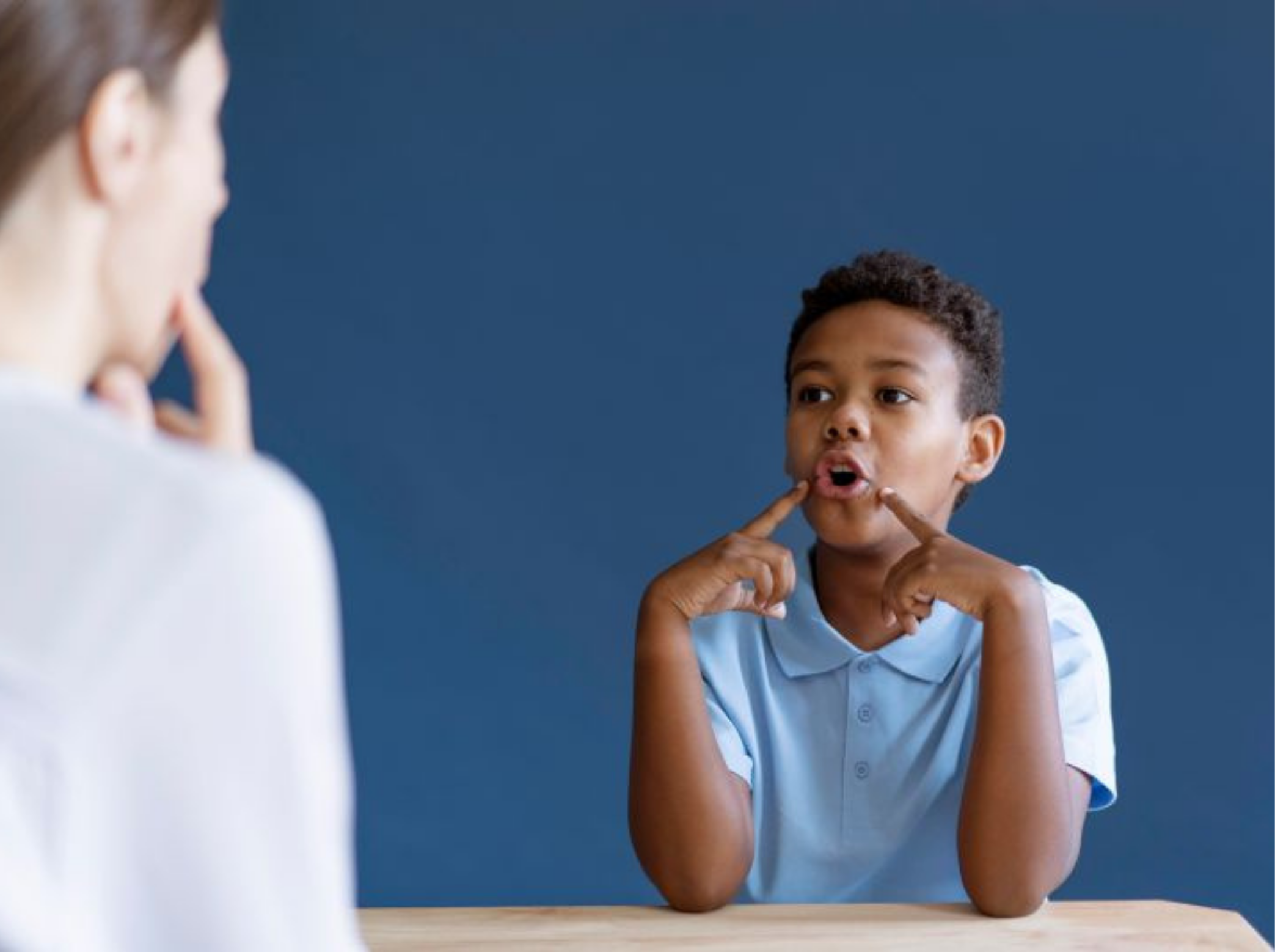
This one surprises many people, but it belongs on any communication-focused goal list. Nasal breathing is the correct physiological default. It filters and humidifies air, supports proper tongue posture, stabilizes the jaw, and protects the vocal cords. Mouth breathing — particularly during sleep — is associated with voice fatigue, increased susceptibility to respiratory illness, disrupted sleep quality, and in children, altered facial development. This year, pay attention to how you breathe. If chronic nasal obstruction is making it difficult, work with your physician and, potentially, a myofunctional therapist.
5. Protect Your Voice
Your voice is a physiological instrument, and like any instrument, it can be damaged through misuse, overuse, or neglect. Vocal hygiene is not just for professional singers. It matters for teachers, parents, coaches, executives, and anyone who relies on their voice daily. This year, commit to adequate hydration (aim for at least 64 oz of water per day), adequate vocal rest after periods of heavy use, avoiding speaking over loud background noise, and addressing any persistent hoarseness or vocal fatigue with an SLP evaluation rather than pushing through it. Hoarseness lasting more than two weeks always warrants professional attention.
Starting the Year With Intention
Communication is the foundation of connection, career, and quality of life. The goals above aren't just clinical checkboxes — they're investments in how you show up in the world. If any of them resonate, and particularly if you have been considering a therapy evaluation, now is the right time. Our team at Lasting Language Therapy is here to help you make 2026 your clearest, most confident year yet.
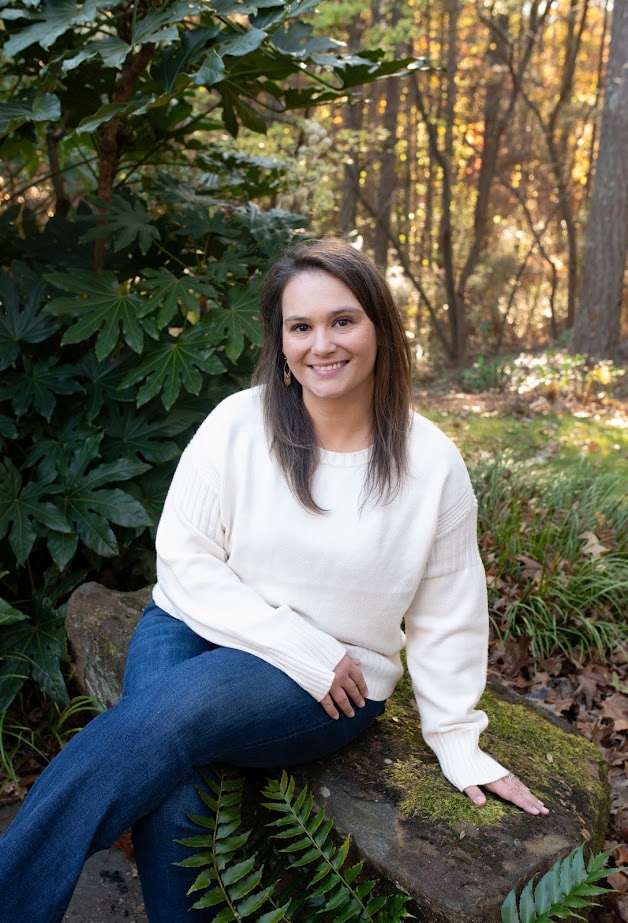
Amanda holds a Master's in Communication Sciences from the University of Georgia and is certified in LSVT LOUD and orofacial myofunctional therapy. She specializes in neurological and pediatric speech disorders with over 10 years of clinical experience.